


Choosing the Right Hunting Dog: What to Know Before You Buy
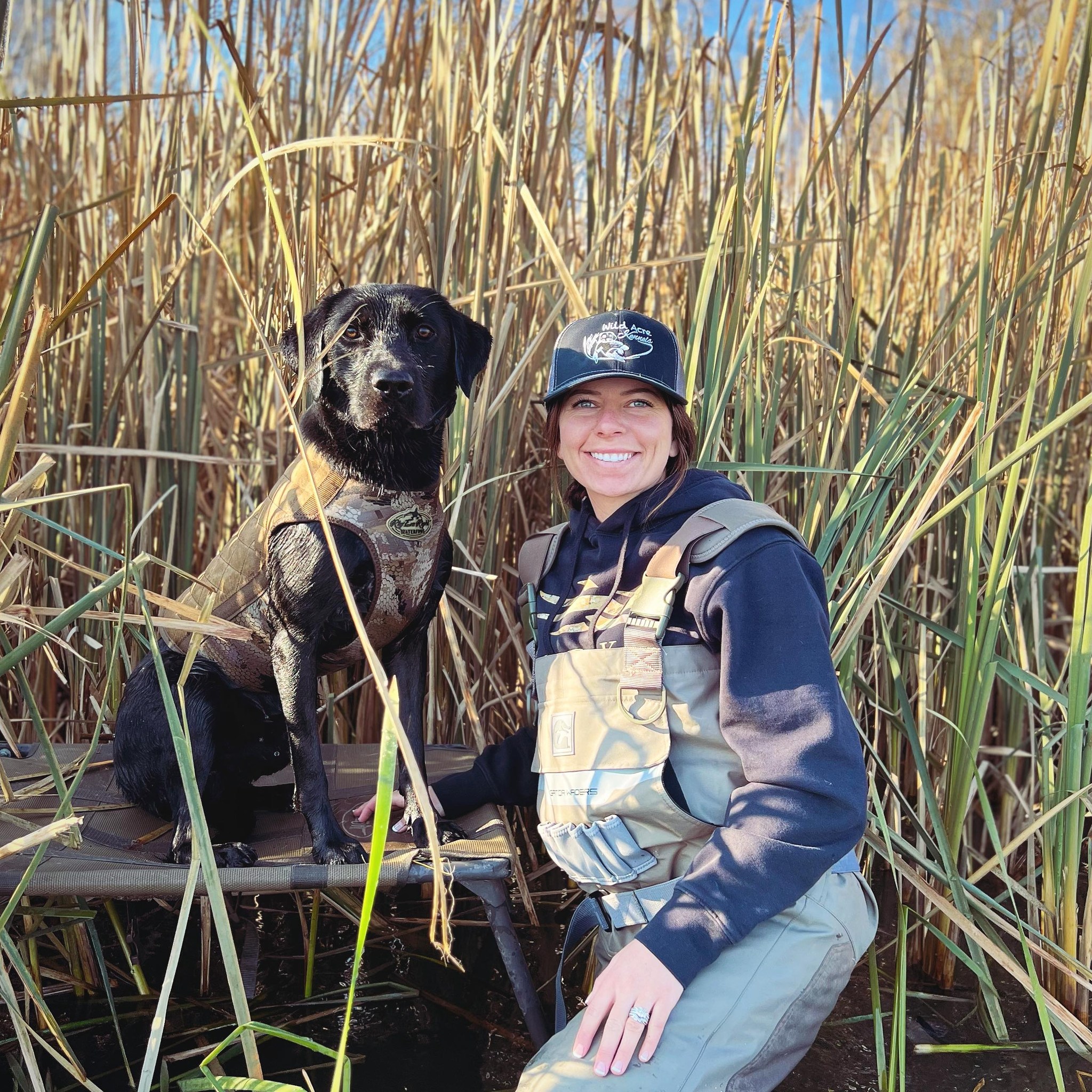
A good hunting dog is more than a tool in the field—it’s a partner, an investment, and often a family member. Choosing the right dog takes more thought than simply picking a popular breed or the first litter you find online.
From breeder selection and pedigree to size, sex, and temperament, the decisions you make up front will shape your hunting experience for years to come. This guide walks through the key factors to consider when selecting a new hunting dog so you can make a confident, informed choice.

Start With Your Hunting Style
Before considering breeders or puppies, honestly assess how and how often you hunt. Ask yourself:
What game do I hunt most? (upland birds, waterfowl, big game, small game, shed hunting)
Do I hunt solo or with groups?
How many days a year do I realistically hunt?
Do I want a specialist or a versatile dog?
Will the dog live in the house, in a kennel, or in both?
A weekend upland hunter may have very different needs than someone who hunts waterfowl every week or runs dogs in field trials. Matching the dog to your lifestyle is the most important step.
Choosing the Right Breed
Different breeds are built for different jobs. While individual dogs differ, breed tendencies matter.
Popular Hunting Dog Categories
Pointing Breeds: German Shorthaired Pointer, English Pointer, Brittany.
Best for upland birds; cover ground efficiently and locate game.
Retrievers: Labrador Retriever, Golden Retriever.
Ideal for waterfowl and versatile retrieving tasks.
Spaniels: English Springer Spaniel, Cocker Spaniel.
Excellent flushers for dense cover and close-working hunts.
Hounds: Beagle, Bluetick Coonhound.
Used for tracking and trailing game by scent.
Versatile Breeds: GSP, Wirehaired Pointing Griffon, Labrador Retrievers, Vizsla.
Can point, retrieve, and sometimes track.
Choose a breed proven in the type of hunting you plan to do most, not the one that looks best on social media.

Selecting a Reputable Breeder
A good breeder matters as much as the breed itself.
What to Look For in a Breeder
Proven hunting dogs: Parents should hunt or come from hunting lines—not just show lines.
Health testing: At a minimum, ask about hip, elbow, eye, and genetic testing relevant to the breed.
Transparency: A good breeder welcomes questions and allows you to see the parents or past offspring. It’s also important to remember that not every breeder houses their breeding dogs; some are in guardian homes.
Temperament Matching: While this may be controversial, a good breeder should match you with a puppy based on your lifestyle, wants, and needs. This ensures you are getting a puppy that fits your lifestyle, and vice versa for the puppy
Limited litters: Breeders focused on quality typically don’t produce puppies year-round.
Support after purchase: Responsible breeders care where their puppies end up and offer guidance.
Avoid breeders who:
Can’t provide health documentation.
Sell multiple breeds with no specialization.
Focus only on color, size, or “rare” traits.
Push for quick sales without asking about your hunting experience.
Understanding Pedigree and Bloodlines
Pedigree isn’t about bragging rights—it’s about predictability. A strong hunting pedigree increases the odds of:
Natural prey drive
Trainability
Endurance and toughness
Field intelligence Look for titles such as:
Field Trial (FC, AFC, FTCH)
Hunt Test (MH, SH, GRHRCH, HRCH)
Ask the breeder:
What traits do they breed for?
What are the parents known for in the field?
How have previous litters turned out?
A well-bred dog doesn’t guarantee success, but it improves your odds.
Male vs. Female: Does It Matter?
Both males and females can be outstanding hunting dogs, but there are practical differences between them.
Males
Pros: Often larger, may have more endurance, no heat cycles.
Cons: Can be more dominant, have a tendency to “mark” their territory, may roam more if not neutered
Females
Pros: Often mature faster, can be more affectionate, tend to be more focused, slightly smaller, and easier to manage
Cons: Heat cycles (unless spayed), may require a brief time off during cycles.
While these differences may not be 100% accurate for every dog and breed, they usually come down to personal preference and management style rather than performance.

Size and Physical Considerations
Size matters depending on terrain, climate, and game. Consider:
Large dogs: Cover more ground, handle cold water better depending on the breed, but require more food and space, and may not be ideal for tight hunting quarters
Medium dogs: Often ideal all-around hunters.
Small dogs: Excellent for tight cover and easier to transport, but may struggle in extreme conditions depending on the breed.
Also think about: vehicle space, kennel setup, and your ability to physically handle the dog.
Puppy vs. Started Dog
Puppies
Pros: Bond early, train from the start, lower upfront cost
Cons: Time-intensive, Training mistakes are on you, no guarantee how they’ll turn out.
Started or Finished Dogs
Pros: You know what you’re getting, faster return to the field, and ideal for handlers who cannot commit to training
Cons: Higher price, Less influence on early development
Both options are valid—it depends on your experience, patience, and schedule.

Pricing: What Should You Expect?
Prices vary widely by breed, breeder, and training level.
Well-bred puppies: $1,500-$2,500+
Started dogs: $3,000–$8,000+
Finished dogs: $8,000–$15,000+
Remember, the purchase price is just the beginning. Food, vet care, training equipment, and time all add up. A cheaper puppy from poor stock often ends up costing more in the long run.
Temperament and Trainability
A great hunting dog should have:
Strong prey drive
Confidence without aggression
Desire to work with you
Ability to settle at home
Ask breeders about:
Energy levels
House behavior
Compatibility with kids or other dogs
The best hunting dog is one that performs in the field and fits into your life.
Choosing a new hunting dog isn’t a decision to rush. Take time to research breeds, talk to breeders, and honestly assess your hunting style and lifestyle. A well-chosen dog will reward you with years of hard work, loyalty, and unforgettable days afield. When done right, selecting a hunting dog isn’t just buying a puppy—it’s choosing your next hunting partner.
Raelynn Skluzacek is the Owner of Wild Acre Kennels in Minnesota, where she breeds American and British Labrador Retrievers. Follow her outdoor adventures on Instagram at @rskuz00.


