


Getting Paid to Hunt: What Social Media Gets Wrong About the Outdoor Industry

Scroll through Instagram, TikTok, or Facebook on any given day, and you’ll see the same picture: someone in brand-new camo, standing behind a trophy buck or elk, a perfect long-beard gobbler, or a pile of birds, captioned with something about “living the dream” and “getting paid to hunt.”
For someone new to hunting and the outdoor world, it’s easy to believe this is a real career path. That companies hand out paychecks simply for pulling a trigger. The truth is far less glamorous and far more grounded in hard work.
There Is No Job Called “Paid Hunter”
Outside of very specific government wildlife-control roles, getting paid to hunt isn’t really a thing. What does exist are legitimate careers within the outdoor industry. Those include roles in the daily grind of hunting and many behind-the-scenes roles that keep the industry going day to day. Jobs such as:
Professional guides, lodge staff, and outfitters
Wildlife biologists, field staff, and conservation officers
Photographers and videographers
Retail positions at outdoor stores
Manufacturing jobs with outdoor brands
Professional positions in marketing, sales, logistics, planning, etc.
This is just a short list of the types of jobs that are available in the outdoor industry. But these are real jobs that require education, experience, and long hours. None of them revolve around simply hunting for fun while someone else writes the check.
Influencers vs. Professionals
A major source of confusion is the rise of social media influencers, who are often mistaken for industry professionals. Some creators receive free gear or sponsorships, and some even earn revenue from YouTube or brand deals. However, this is marketing exposure—not a true hunting career. Getting a box of merchandise in exchange for posting photos is very different from being a professional in this industry. Influencers often showcase products without deep knowledge of hunting, conservation ethics, or the gear they promote. Many focus on building online notoriety, rather than acquiring substantial expertise or contributing to the field.
Brand work as an influencer means representing a company for promotional content—nothing more. Many so-called “brand ambassadors” advertise products they don’t use, understand, or even believe in, simply for perks. Having a discount code or free gear does not equate to practical experience or professional expertise in the hunting industry.
Even TV personalities like Michael Waddell, Eva Shockey, Lee and Tiffany Lakosky, and many others didn’t start hunting just to make a living. They worked for years to build brands around hunting. None of them became “paid hunters” overnight; it took years of hard work. Even today, they do much more than just get paid to hunt. While the majority of what we see on TV and social media is hunting footage, they are realistically spending most of their time managing brands, developing and testing products, and producing content, which requires time, effort, and money... all while dealing with many of the same issues regular hunters face. Plus, they have teams of people running the day-to-day business and working behind the scenes.
What Being “Pro Staff” Should Mean
True pro staff are qualified professionals who play meaningful roles—guiding clients, filming ethical hunts, mentoring newcomers, or contributing to conservation. They represent brands and products they genuinely use and respect. But the term has been diluted.
Today, many chase pro staff titles solely for discounts or social status. Worse, some push low-quality products or products they have no experience with to an audience who trusts them. That hurts both new hunters and the industry's reputation as a whole.
Guiding: A Serious Responsibility
Guiding is one of the few ways someone can legitimately earn a living connected directly to hunting—but it is not a casual side hustle. Good guides are: extremely experienced in the field, knowledgeable about wildlife behavior and regulations, skilled at client management and safety, and mentors and stewards of the resource.
The guiding world is also tough. New laws, limited tags, and overcrowding make it difficult to break in. There are outstanding outfitters—and unprofessional ones. Entering this space without real preparation does a disservice to clients, wildlife, and the honest guides who’ve put in decades of work.
Passion First, Paycheck Second
If your goal is to get involved in the outdoor industry because you want to be “paid to hunt,” you’re starting from the wrong place. When money is the main motivation, passion fades—and it shows in your ethics, your attitude, and your work. The people who last are the ones who build genuine relationships, network with experienced hunters, start at the bottom and learn, respect conservation and tradition, and put in years before expecting anything in return.
One of the best paths forward is community. Join a women’s hunt, volunteer at conservation events, or work seasonal jobs at lodges. You’ll meet incredible mentors who can guide you far better than any influencer on a screen.
The Reality Behind the Screen
Social media has painted a beautiful picture of the outdoor lifestyle—perfect sunrises, clean gear, easy limits. What it doesn’t show are the early mornings, empty tags, years of learning, and the unglamorous jobs that keep this industry alive.
The outdoor world offers amazing careers, but not the fantasy of being paid simply to hunt. Success is built on education, experience, integrity, and relationships—not follower counts. Instead of chasing the myth, ask: How can I become someone worth paying?
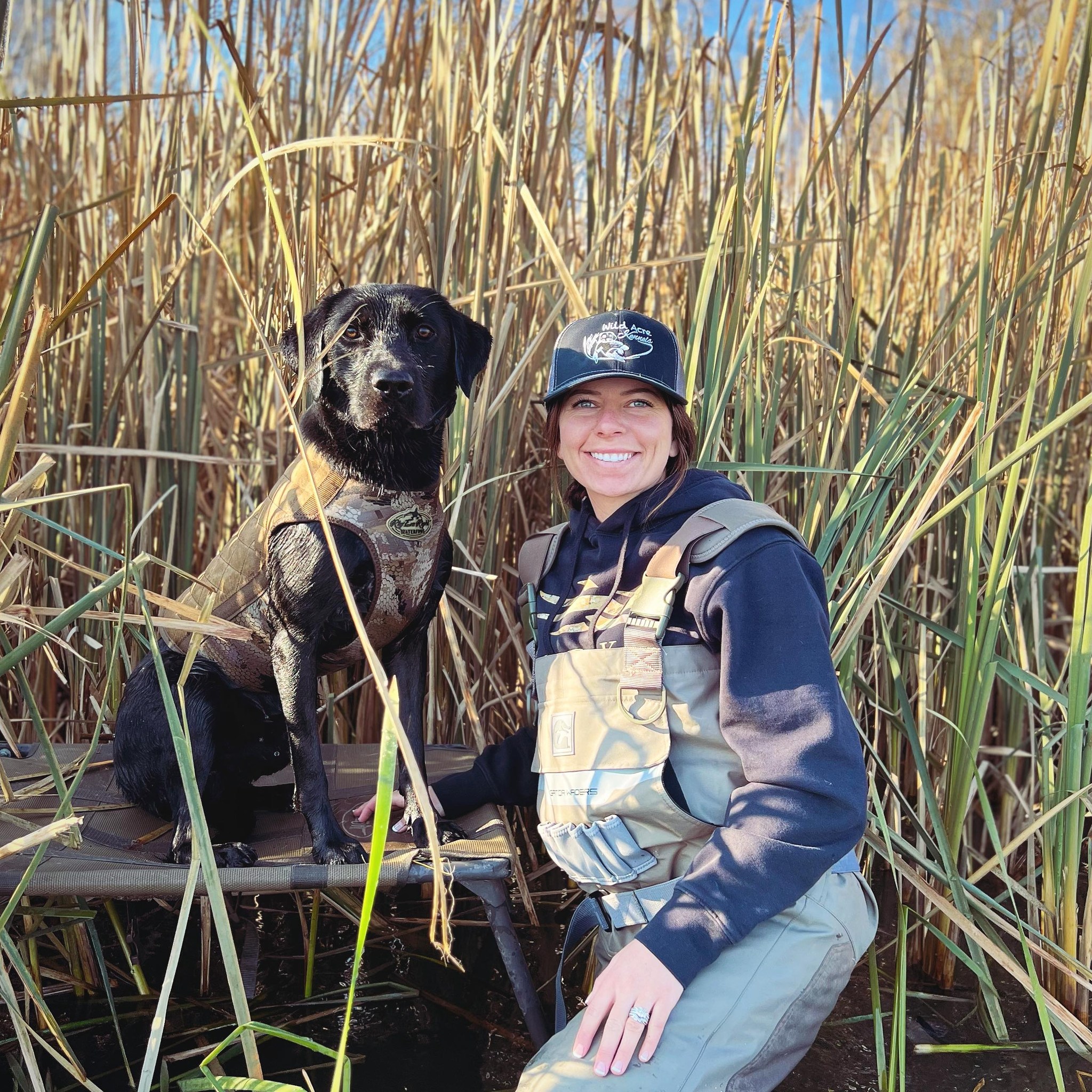
Raelynn Skluzacek is the Owner of Wild Acre Kennels in Minnesota, where she breeds American and British Labrador Retrievers. Follow her outdoor adventures on Instagram at @rskuz00.


